
Forms & Workflows
Custom website forms gather the information your business needs through questions and conditional routes that make sense to the person completing them.
A website form can do more than collect a name and email address. Devonto plans questions, conditional routes and information handling around a specific enquiry, application or quotation requirement, while keeping the experience proportionate for the person completing it.
Start with What Happens After Submission
Custom Website Forms with a Useful Next Step
The strongest forms begin with the follow-up decision. A quotation request may need different information from an application, while an onboarding journey may reveal later questions only after an earlier answer is known.
We establish who receives the submission and what they need to do with it. Email routing can be sufficient for some processes. Passing data into another platform is a separate integration requirement and should be scoped as such.
We work through the journey from the customer's point of view as well as the recipient's. A question that is easy for staff to interpret may need a short explanation for a visitor. Grouping related information and showing only relevant questions can make a more involved enquiry easier to complete without stripping out the details needed for follow-up.
It also helps to consider the different outcomes. An incomplete request, a successful submission and an answer that changes the next questions each need an appropriate response. These decisions are planned before the form is built, rather than leaving the confirmation and recipient handling until the end.
Should the Information Enter Another System?
Website integrations cover the technical exchange between the form or website and a suitable external service.
Custom Website Forms for Different Decisions
Applications
Collect the details and supporting information needed by the people reviewing an application, with routing agreed for the relevant department or vacancy.
Indicative Quotations
Use a guided set of questions to produce an appropriate indication or support staff follow-up, with limitations and final commercial decisions kept clear.
Onboarding
Ask conditional questions that reflect the customer's circumstances and prepare the business for the next stage of the relationship.
Plan the Questions Around the Outcome
Plan Your Custom Website Forms
A useful form is planned around the decision or follow-up it must support, from the first question through to receipt and handling.
Forms Shaped Around Real Follow-Up
Applications, Quotations and Onboarding
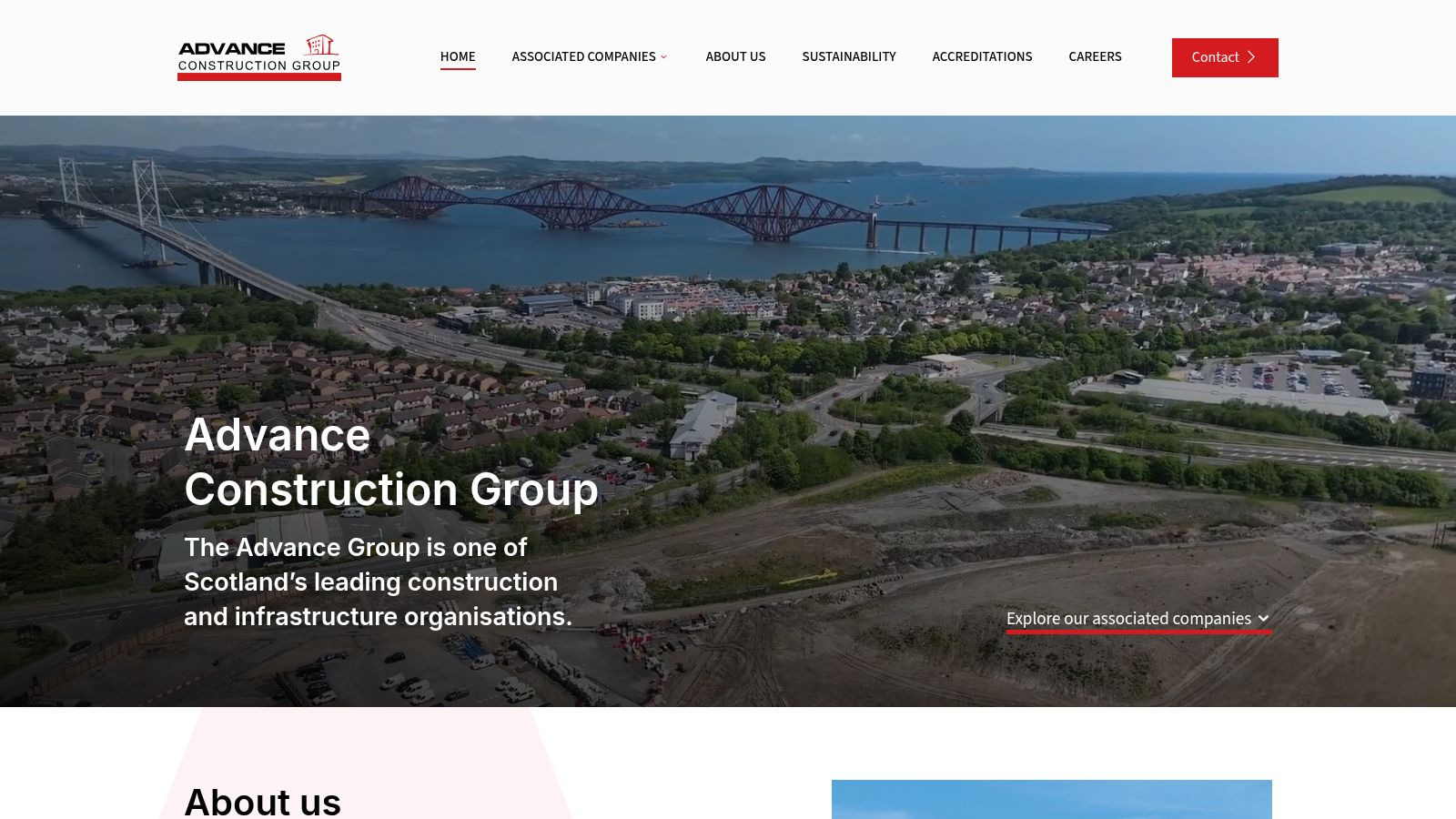
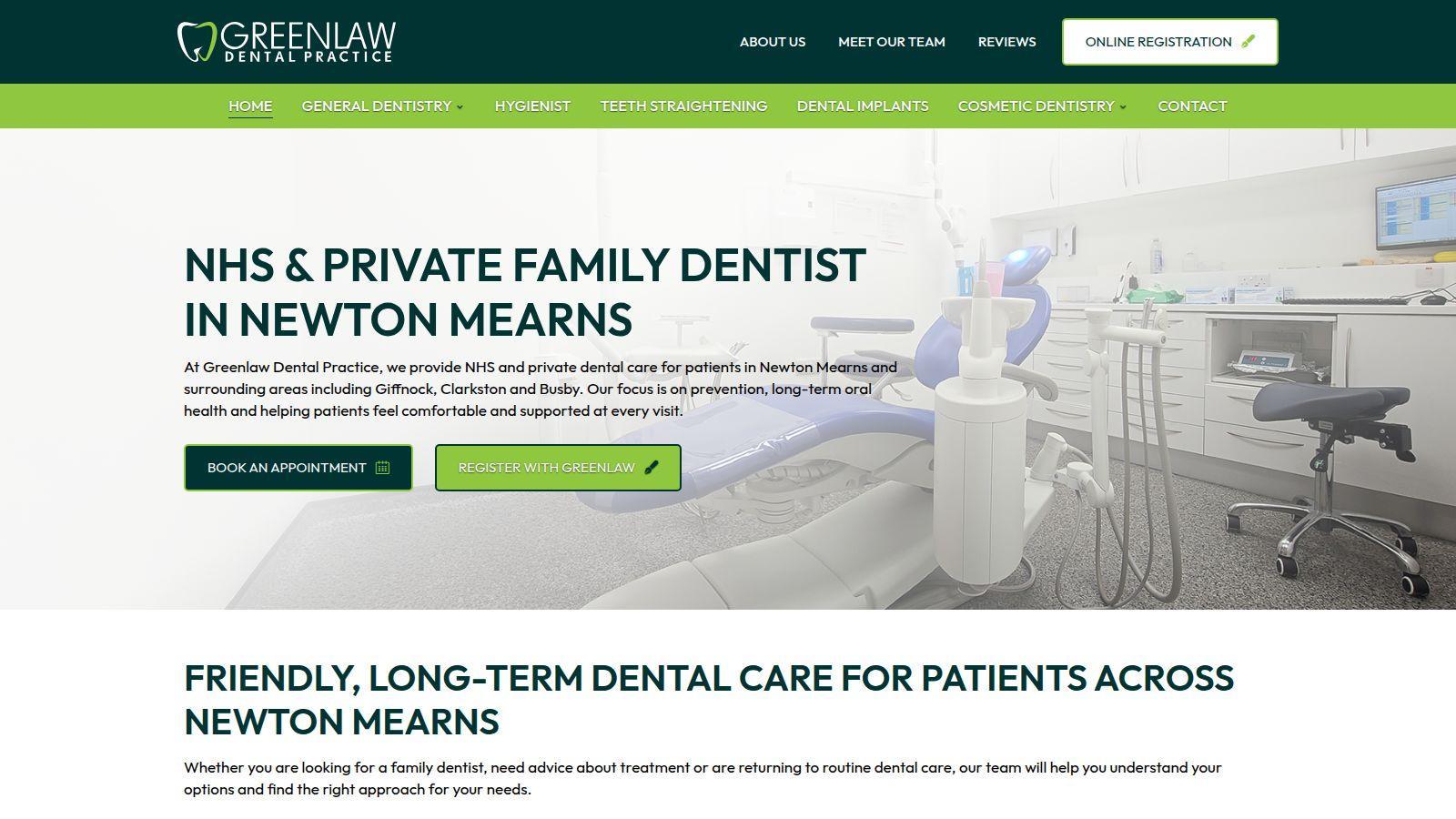
These projects show how forms can support tasks such as applications, quotation requests and customer onboarding. Explore how each website gathers relevant information and guides people through the next step, while helping the business manage what comes in.
Keep the Human Follow-Up Clear
Submission is often the start of the next conversation.
A form can organise information and route it to the appropriate person. That does not automatically make the full business process an automated system.
We define the website's role, the recipients and any confirmation included in the scope. Staff actions and external-system behaviour remain distinct responsibilities unless their implementation is expressly agreed.
The confirmation should explain what has happened and what the customer should expect next, using commitments the business can support. Recipients need enough context to recognise the request and act on it. The wording, routing and information supplied are therefore part of the same practical design task.
Testing uses representative journeys through the agreed form, including the branches created by different answers. The purpose is to check that questions appear when intended and that the right information reaches the agreed destination. Any connection to another system needs its own checks as part of the defined integration scope.
In Our Customers' Words
What Our Customers Think
Could the Website Collect Better Information?
Explain what customers are trying to do and what your business needs before it can respond. We can turn that requirement into a clear form and follow-up journey.