
Property Business Websites
Property website design should give each audience a clear route, whether they are comparing your services, looking at available properties or preparing an enquiry.
Property businesses often serve several audiences and depend on information held in specialist systems. Devonto plans the website around those customer journeys, then assesses whether listings, applications or other connected features are appropriate to the actual operation.
Start with the People and the Information
Property Website Design Around Customer Journeys
A landlord evaluating a service has a different purpose from someone searching for a property or completing an application. Clear routes help each visitor reach suitable information without forcing every task through the same page or form.
Where property listings come from another platform, the available feed or API determines what the website can receive. That system must be assessed before a connection or particular listing experience is promised.
The first planning step is to separate information from transactions. Explaining a service, searching listings and submitting an application are different tasks, even when they happen on the same website. We identify where those journeys connect and what visitors need to understand before moving from one to another.
The website also needs to reflect the way the business keeps information current. Some details may be edited directly in WordPress, while property records come from a specialist platform. Agreeing which system controls each piece of information helps prevent conflicting updates and makes day-to-day responsibilities clearer.
Need to Connect a Property System?
Website integrations examine the available interface, the information to exchange and the responsibilities at both ends of the connection.
Property Website Design for Real Customer Tasks
The website should be organised around the tasks customers need to complete and the systems the business can maintain.

Service Information

Listings and Feeds

Applications and Onboarding
Websites for Property Businesses
Property Websites in Practice
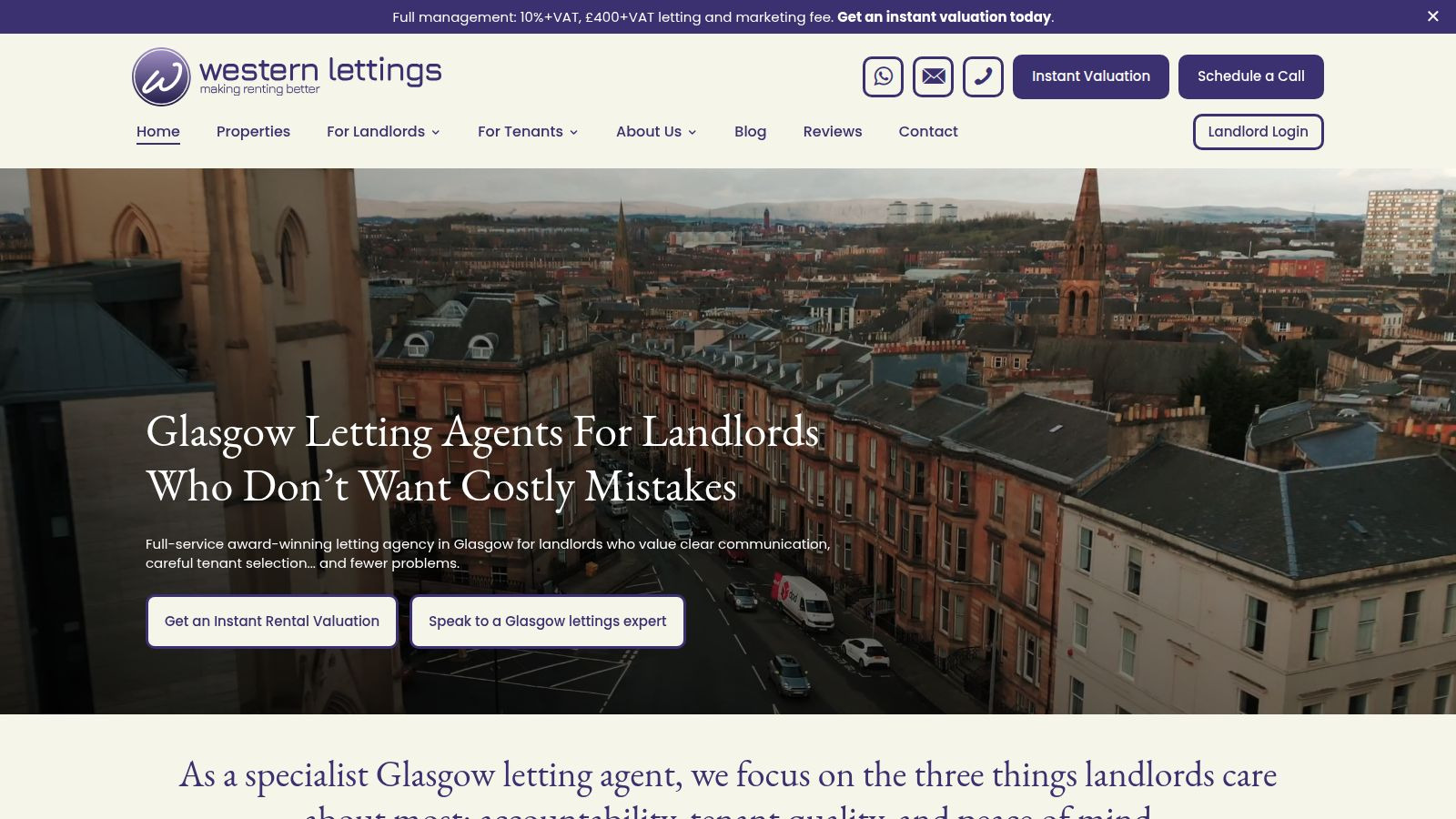
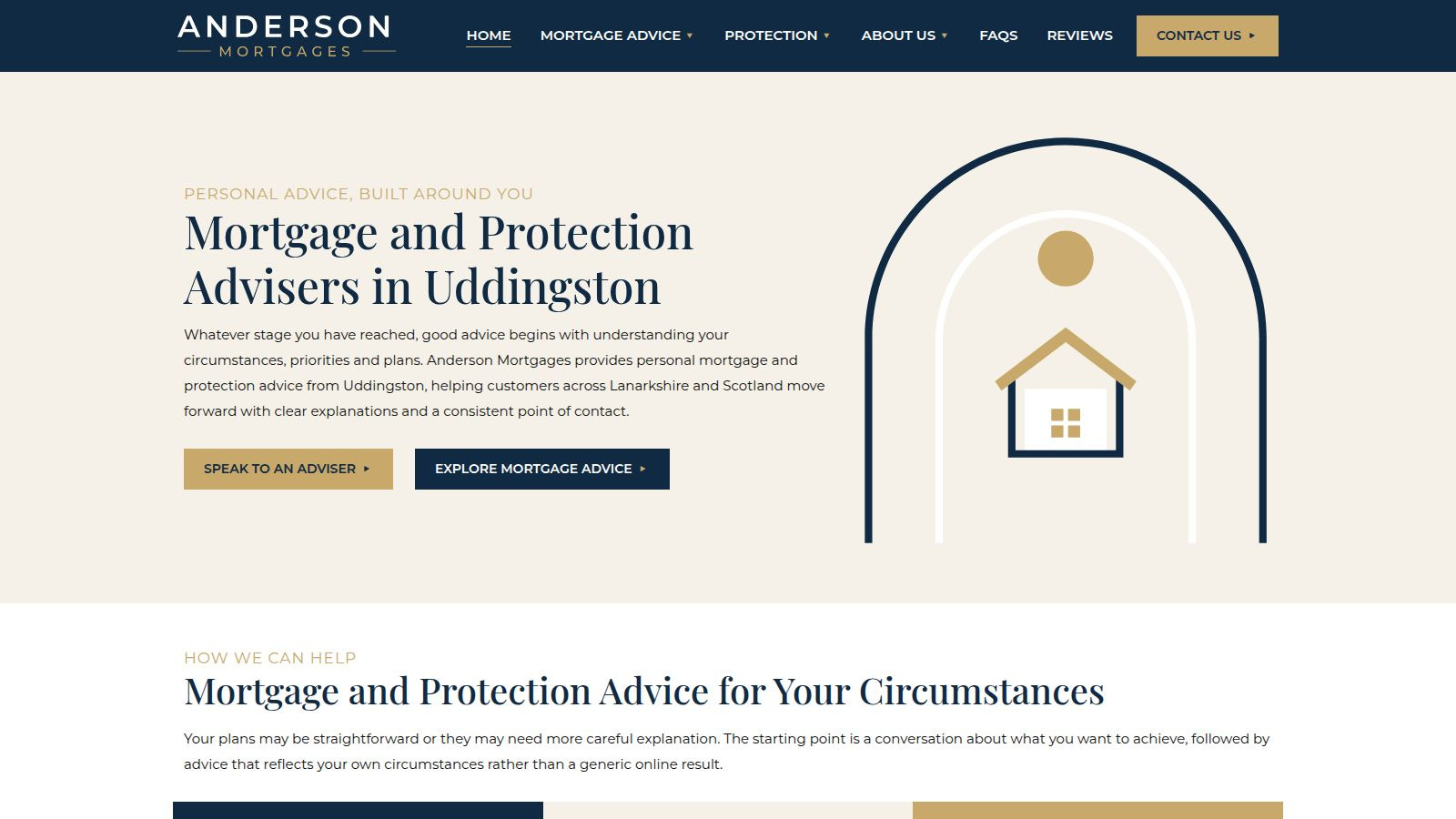
These projects show two different property-sector requirements: live listings and application journeys for a letting business, and clear advice content with guided enquiries for a mortgage business.
Connect Property Website Design with Your Systems
A named platform does not guarantee a particular connection.
We need to understand the system, documentation, access and data available to the business. The website can then be scoped around what the interface supports and what customers need to see or submit.
Responsibilities for source data, website presentation and customer follow-up should remain clear throughout the project.
For a listings connection, useful questions include which property fields are available, how images are supplied and how withdrawn records are handled. The frequency of updates also matters. We establish the supported behaviour before deciding what the website can display or which search options are appropriate.
Applications need a similarly clear brief. We consider which questions are relevant, where submissions should go and what confirmation the applicant should receive. A form can prepare the business for follow-up without claiming to automate decisions that still belong with staff or an external platform.
In Our Customers' Words
What Our Customers Think
What Should Your Property Website Support?
Tell us about the audiences, services and property systems involved. We can work through the customer journeys and technical requirements together.