
Planning an Online Shop
Ecommerce website planning turns your idea for selling online into clear requirements, covering the buying journey and the work your business needs to handle after each order.
An online shop connects a customer-facing buying journey with the way the business manages products, payments and fulfilment. Devonto helps you identify those requirements before the build is quoted, including the decisions still needing input from you or another provider.

Start with How the Business Will Sell
Ecommerce Website Planning Starts with the Operation
Customers need accurate product information and a clear route through checkout. Behind that experience, the business needs to maintain prices and stock, receive payment and fulfil orders using workable processes.
You do not need every answer before the first conversation. Planning provides a structured way to surface what is known, what needs to be decided and which external services or systems may affect the project. The agreed requirements then inform a detailed proposal.
Working through a few representative orders is often more useful than starting with a long feature list. We can discuss a straightforward purchase, an order with a delivery restriction and a product that needs extra information. These examples reveal decisions that might otherwise remain hidden until the shop is being built.
Existing information and systems should be part of the conversation too. Product spreadsheets, current stock records and the services already used by staff can affect both the build and ongoing administration. We identify what can be reused, what needs preparing and which connections require further investigation before they can be included.
Ready to Consider the Platform?
WooCommerce can bring online selling into WordPress, with the catalogue, checkout and administration configured around agreed business requirements.
Ecommerce Website Planning for Customers and Staff
Customers and Buying Journeys
Consider how customers choose between products, which details influence that choice and whether different audiences need different routes. This gives the catalogue and checkout a clearer purpose than simply presenting everything in one long list.
Product Information
Identify the source of product names, descriptions, images and variations, together with prices and other essential details. Agree who prepares the initial information and who maintains it when the range changes after launch.
Payments
Discuss the payment options customers need and the providers available to the business. Account approval, charges and settlement arrangements belong with the payment provider and should be understood alongside the website's technical setup.
Delivery and Collection
Work through the places you deliver to, the products you can send and the rules that affect charges. If collection is offered, define what customers need to know and how staff will prepare the order.
Stock and Fulfilment
Establish how availability is maintained and what happens between receiving an order and completing it. The website needs to reflect the process staff can operate, including any information passed to separate stock or fulfilment systems.
Operational Responsibilities
Decide who handles product updates, order administration and customer questions. Clear ownership helps identify which guidance, access and notifications are needed, and avoids assuming the website alone will manage the whole selling operation.
From Shop Idea to Project Scope
An Ecommerce Website Planning Process
Planning the operation before the build exposes dependencies early and gives the project a clearer scope.
Product Information Has to Come from Somewhere
Online Shop Planning in Practice
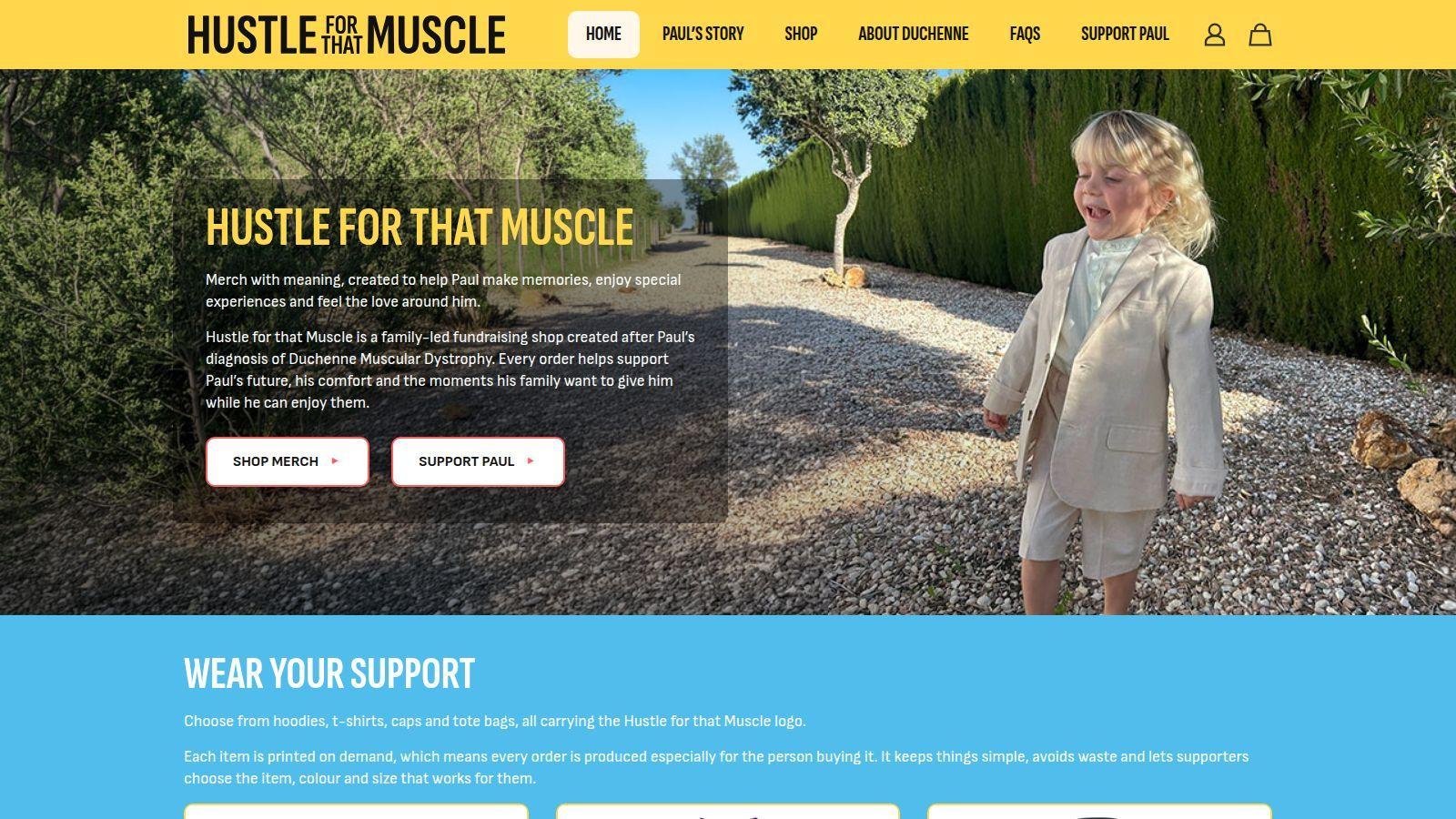
These projects had different product, customisation, donation and fulfilment needs, showing why the operation must shape the shop plan.

Bring Your Shop Requirements into Focus
Bring the idea, the products and the questions you have so far. We can work through what the shop needs before preparing a detailed proposal.